
—
Introduction – Why Your Gums Matter More Than You Think
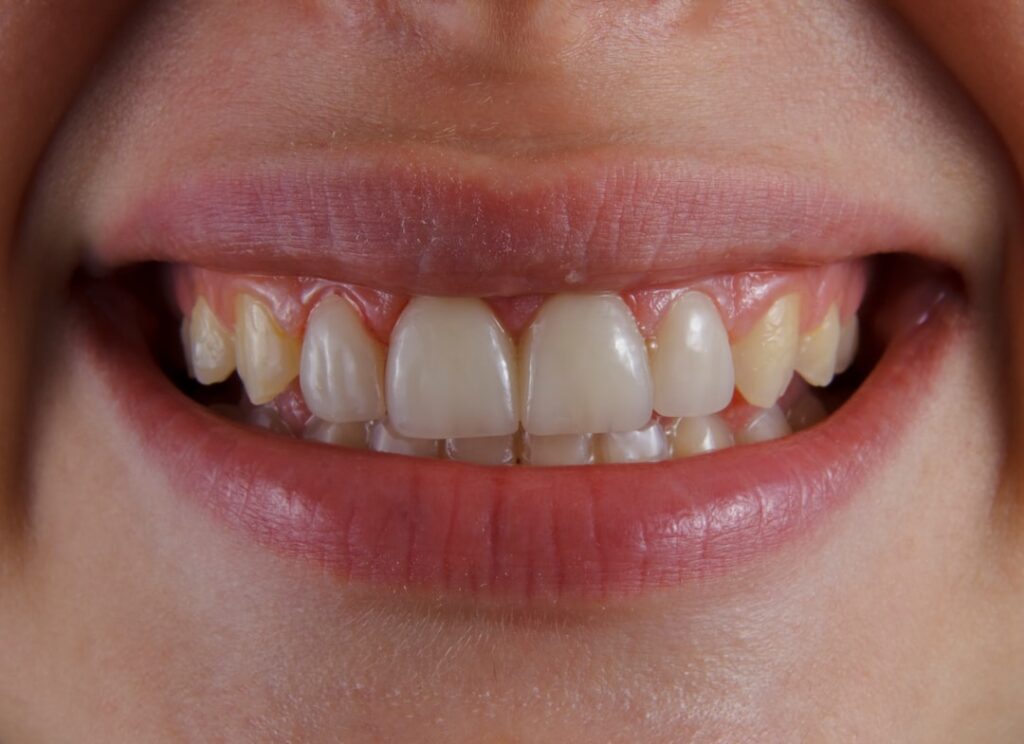
Ever stare at a celebrity’s smile and wonder why it looks so flawless? Chances are, it isn’t just the teeth that make the difference—it’s the harmonious balance between teeth and gums. A “gummy smile,” excessive gum tissue, or uneven gum lines can distract from even the most dazzling set of pearly whites. That’s where gum contouring steps in. This minimally invasive cosmetic dental procedure reshapes the gum line, giving you a proportionate, confident grin without the need for orthodontics or veneers. In this guide, we’ll walk you through everything you need to know—what gum contouring is, who can benefit, the different techniques, recovery tips, and how to choose the right professional—so you can decide if it’s the right step for your smile makeover.
—
1. Understanding Gum Contouring: What It Is and How It Works
#### What is gum contouring?
Gum contouring, also known as gum reshaping, gingival recontouring, or periodontal plastic surgery, is a cosmetic dental procedure that removes excess gum tissue or repositions the gum line to create a more balanced smile. The goal is to expose more of the tooth’s crown, improve symmetry, and eliminate the “gummy” appearance that can make a smile look disproportionate.
#### Why does a gummy smile happen?
- Genetics: Some people are born with a naturally low gum line.
- Hyperactive upper lip: The lip lifts too high when smiling, revealing more gum.
- Excessive gum tissue: Overgrowth of gum tissue (often due to hormonal changes or medication).
- Tooth eruption issues: Teeth that haven’t fully emerged can leave gums covering them.
- How it works: A focused dental laser vaporizes excess tissue with pinpoint accuracy.
- Advantages: Minimal bleeding, reduced postoperative discomfort, faster healing (often 1–2 days), and sterilization of the site.
- Ideal for: Small to moderate gum excess, patients who prefer a “no‑drill” experience.
- How it works: A skilled periodontist uses a surgical blade to excise tissue, followed by sutures if needed.
- Advantages: Allows for greater tissue removal in a single session, suitable for extensive reshaping or when grafts are required.
- Ideal for: Larger gummy smiles, cases needing simultaneous gum grafting.
- How it works: An electric current cuts tissue while cauterizing blood vessels.
- Advantages: Good hemostasis, precise cuts, and cost‑effective.
- Ideal for: Practitioners comfortable with the technology; moderate tissue removal.
- Extent of correction: Minor tweaks → laser; major reshaping → scalpel or combined laser‑scalpel.
- Patient comfort: Laser offers the least postoperative pain.
- Budget: Laser equipment can increase cost; scalpel is often more affordable.
- Laser gum contouring: $300–$800 per quadrant (upper or lower).
- Traditional surgical contouring: $500–$1,200 per quadrant, especially if grafts are involved.
- Is the procedure painful? Most patients report mild discomfort during the procedure (due to anesthesia) and low-level soreness afterward, comparable to a routine dental cleaning.
- Can I combine gum contouring with other cosmetic procedures? Absolutely! Many patients pair it with veneers, teeth whitening, or orthodontic refinements for a full smile makeover.
- Will I need multiple visits? Typically, a single session suffices. Complex cases may require a follow‑up to fine‑tune the contour.
- Gum contouring is a safe, minimally invasive way to correct a gummy smile, uneven gum lines, and short‑looking teeth, enhancing overall dental aesthetics.
- Ideal candidates include those with excess gum tissue, asymmetry, or post‑orthodontic refinement needs—always start with a thorough dental consultation.
- Technique matters: Laser offers quick recovery, while scalpel or electrosurgery may be better for extensive reshaping; choose a practitioner experienced in the specific method you prefer.
- Recovery is straightforward: Soft foods, gentle oral hygiene, and proper aftercare ensure rapid healing and lasting results.
- Invest wisely: While not covered by insurance, the cost is modest compared to full‑mouth restorations, and the benefits—boosted confidence and a harmonious smile—are priceless.
#### The science behind the procedure
During gum contouring, a periodontist or cosmetic dentist uses either a laser, a scalpel, or a electrosurgical device to precisely trim away excess gum tissue. In some cases, a small amount of gum tissue is grafted to reshape the gum line, especially when a “gum lift” is needed to cover exposed root surfaces. The result is a smoother, more symmetrical gum line that frames the teeth perfectly.
Key Keywords: gum contouring, gummy smile, periodontal plastic surgery, gum reshaping, laser gum contouring, gum lift, cosmetic dentistry
—
2. Who Can Benefit? Ideal Candidates & Consultation Checklist
#### Ideal candidates
| Condition | How gum contouring helps | Typical outcome |
|———–|————————–|—————–|
| Gummy smile (≥ 3 mm of gum exposure) | Removes excess tissue, may combine with Botox for lip control | Balanced tooth‑to‑gum ratio |
| Uneven gum line (asymmetry) | Reshapes to create symmetry | Harmonious, natural look |
| Short teeth (appearing “chipped”) | Exposes more crown length | Longer‑looking teeth without crowns |
| Dental implants with excess gum | Trims tissue for a cleaner implant emergence | Seamless integration |
| After orthodontic treatment | Refines final smile aesthetics | Polished final result |
#### Consultation checklist
1. Medical & dental history – Ensure you’re not on blood thinners or have uncontrolled diabetes, which could affect healing.
2. Smile analysis – The dentist will photograph your smile, measure gum exposure, and assess lip dynamics.
3. Radiographs – X‑rays confirm bone levels and rule out underlying periodontal disease.
4. Discuss expectations – Be realistic; contouring improves aesthetics but does not replace orthodontic correction for misaligned teeth.
If you tick most of the boxes above, you’re likely a good candidate for gum contouring.
—
3. Techniques & Technologies: Choosing the Right Approach
3.1 Laser Gum Contouring
3.2 Surgical Scalpel (Traditional)
3.3 Electrosurgery
3️⃣ Choosing the right technique
Regardless of the method, a qualified periodontist or cosmetic dentist with specific training in gum contouring should perform the procedure.
—
4. The Procedure Experience: From Appointment to Aftercare
#### Step‑by‑step timeline
1. Pre‑procedure prep – Numbing gel or local anesthesia (usually a single injection).
2. Tissue removal – Laser or scalpel trims the gum line; the dentist may shape the tissue to follow the natural curvature of the teeth.
3. Polishing & smoothing – The area is smoothed to prevent rough edges that could irritate the tongue.
4. Immediate post‑procedure – You’ll receive a gauze pad to control any minor bleeding; most patients can leave the office within 30 minutes.
#### Recovery tips for optimal healing
| Tip | Why it matters |
|—–|—————–|
| Soft foods for 24–48 hrs (yogurt, smoothies) | Reduces mechanical stress on the fresh gum line. |
| Cold compresses | Controls swelling; apply 10 min on, 10 min off. |
| Gentle oral hygiene – Use a soft‑bristle toothbrush and avoid the treated area for the first 24 hrs. | Prevents irritation and promotes clot stability. |
| Salt‑water rinse (½ tsp salt in 8 oz warm water) after 24 hrs, 2–3 times daily. | Reduces bacterial load and speeds healing. |
| Avoid smoking & alcohol for at least 48 hrs. | Both delay tissue regeneration and increase infection risk. |
| Pain management – Over‑the‑counter ibuprofen (if no contraindications). | Controls inflammation and discomfort. |
Most patients see full results within 1–2 weeks, though final tissue remodeling may take up to a month.
—
5. Cost, Longevity, and Frequently Asked Questions
#### How much does gum contouring cost?
Insurance typically does not cover cosmetic gum contouring unless it’s part of a functional periodontal procedure (e.g., treating a pocket).
#### How long do results last?
When performed correctly, the results are permanent. However, natural gum recession due to aging or periodontal disease can alter the appearance over time. Maintaining excellent oral hygiene and regular dental check‑ups helps preserve your new smile.
#### Common FAQs
—
Conclusion – Key Takeaways for a Confident, Balanced Smile
Ready to transform your smile? Schedule a consultation with a board‑certified periodontist or cosmetic dentist today, and discover how a subtle gum contour can make a dramatic difference. Your perfect smile is just a few gentle adjustments away!
Leave a Reply